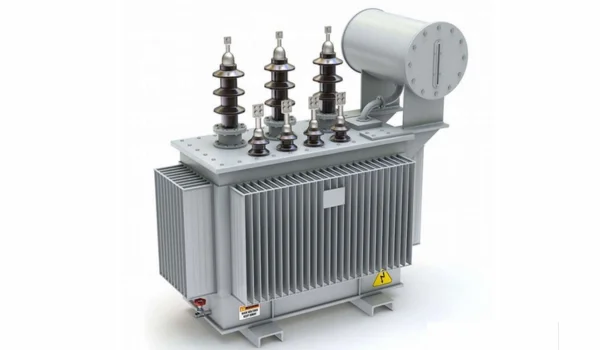
The 750 kVA transformer is one of the most widely used medium-capacity power transformers in commercial, industrial, renewable energy, and utility applications across the United States. As power demand continues to rise in data centers, EV infrastructure, manufacturing plants, hospitals, and commercial buildings, the need for high-efficiency, reliable 750 kVA transformers has never been greater.
This guide provides a deep technical and commercial overview of 750 kVA transformer manufacturers, their applications, specifications, testing standards, and how to select the right manufacturer for long-term performance and compliance.
What Is a 750 kVA Transformer?
A 750 kVA transformer is a three-phase or single-phase electrical transformer designed to convert high-voltage electricity into lower usable voltage for distribution. The “kVA” rating represents apparent power capacity, making it ideal for medium-to-large electrical loads.
Common Voltage Ratings
- Primary Voltage: 11 kV, 13.2 kV, 22 kV, 33 kV
- Secondary Voltage: 415V, 480V, 240V, 208V
Cooling Types
- Oil-Immersed (ONAN / ONAF)
- Dry-Type (Cast Resin or VPI
Key Applications of 750 kVA Transformers
750 kVA transformers are extensively used in:
- Commercial Complexes & Malls
- Manufacturing & Industrial Plants
- Hospitals & Medical Campuses
- Renewable Energy Systems (Solar & Wind Farms)
- Data Centers & IT Parks
- Utility Distribution Networks
- EV Charging Infrastructure
- Airports, Metro & Rail Systems
Their ability to handle medium-to-heavy load profiles makes them a backbone of modern electrical infrastructure.
Types of 750 kVA Transformers
- Oil-Filled 750 kVA Transformers
- Higher overload capacity
- Superior cooling
- Longer lifespan
- Ideal for outdoor and harsh environments
- Dry-Type 750 kVA Transformers
- Fire-resistant
- Environmentally safe
- Low maintenance
- Perfect for indoor commercial buildings
Technical Specifications of a 750 kVA Transformer (Standard Range)
| Parameter | Typical Value |
| Rated Power | 750 kVA |
| Frequency | 60 Hz (USA Standard) |
| Phase | 3 Phase |
| Insulation Class | A, B, F, or H |
| Efficiency | DOE 2016 / NEMA TP-1 Compliant |
| Cooling | ONAN / Cast Resin |
| Temperature Rise | 65°C or 80°C |
| Impedance | 4–6% (customizable) |
Leading 750 kVA Transformer Manufacturers (USA & Global Suppliers)
The United States relies on both domestic and international transformer manufacturers that meet ANSI, IEEE, DOE, and UL standards. Leading manufacturers typically offer:
- Custom-designed 750 kVA transformers
- Energy-efficient low-loss cores
- Advanced insulation systems
- Smart monitoring integration
- Extended warranties and after-sales support
Capabilities of Top Manufacturers
- DOE 2016 Efficiency Compliance
- IEEE C57 Design Standards
- UL/CUL Certification
- Factory Acceptance Testing (FAT)
- Oil Dielectric Testing
- Short-Circuit Withstand Testing
- Sound Level Control
Why Efficiency Matters in 750 kVA Transformers
In the USA, transformer efficiency is regulated under DOE energy conservation standards. High-efficiency 750 kVA transformers:
- Reduce energy losses
- Lower operating cost
- Improve carbon footprint
- Enhance system reliability
- Support LEED & green building goals
Modern manufacturers now use:
- CRGO / Amorphous metal cores
- Advanced copper windings
- Low-loss insulating oils
Carbon Fiber & Advanced Composite Use in Transformers (Emerging Trend)
As a Carbon Fiber expert perspective, high-performance composite materials are increasingly used in:
- Structural reinforcement
- Vibration damping panels
- High-temperature insulating supports
- Lightweight enclosures
Benefits include:
- Higher strength-to-weight ratio
- Corrosion resistance
- Improved thermal stability
- Enhanced seismic performance
This technology is becoming highly relevant for transportation, defense, offshore wind, and aerospace power systems.
Testing & Quality Standards for 750 kVA Transformers
A reliable manufacturer performs:
Routine Tests
- Turns Ratio Test
- Insulation Resistance Test
- No-Load & Load Loss Test
- Voltage Withstand Test
Type Tests
- Temperature Rise Test
- Short-Circuit Withstand Test
- Lightning Impulse Test
- Noise Level Test
Special Tests (On Demand)
- Partial Discharge
- Harmonics Resistance
- Fire Safety Compliance
How to Choose the Best 750 kVA Transformer Manufacturer
When selecting a manufacturer, evaluate the following:
- ✅ ANSI/IEEE & DOE Compliance
- ✅ UL Certification
- ✅ Proven Manufacturing Experience
- ✅ High-Efficiency Core Technology
- ✅ Custom Voltage & Impedance Design
- ✅ Smart Monitoring Support
- ✅ Rapid Delivery & Strong Logistics
- ✅ After-Sales Service Network
- ✅ Spare Parts Availability
Avoid suppliers that lack:
- Certified testing labs
- Engineering documentation
- Warranty backing
750 kVA Transformer Price Factors
Several parameters influence cost:
- Core material (CRGO vs Amorphous)
- Copper vs Aluminum windings
- Oil-filled vs Dry-type
- Efficiency class
- Enclosure type (NEMA 3R, NEMA 4X)
- Monitoring & protection accessories
- Transportation & installation
Typical price range varies significantly based on configuration and compliance level.
Future Market Outlook for 750 kVA Transformers
The demand for 750 kVA transformers in the USA is rising due to:
- Expansion of renewable energy projects
- Growth of EV charging infrastructure
- Rapid development of data centers
- Industrial automation & smart grids
- Utility distribution upgrades
Manufacturers that adopt smart monitoring, AI-based diagnostics, and composite materials will dominate future transformer technology.
Frequently Asked Questions (FAQ)
Q1: Is a 750 kVA transformer suitable for commercial buildings?
Yes, it is ideal for malls, hospitals, and IT parks.
Q2: What is better—oil-filled or dry-type?
Oil-filled is better for outdoor heavy-duty use, while dry-type is best for indoor safety.
Q3: What efficiency standard applies in the USA?
DOE 2016 / NEMA TP-1 energy efficiency standards.
Q4: Can 750 kVA transformers be customized?
Yes, voltage, impedance, cooling, enclosure, and protection can be customized.
Conclusion
Choosing the right 750 kVA transformer manufacturer is a critical decision for power reliability, safety, and long-term operational efficiency. With strict USA efficiency regulations, rising electricity demand, and the integration of advanced materials like carbon fiber composites, transformer technology is evolving rapidly.
Buyers should always partner with manufacturers that offer:
- Certified engineering
- High-efficiency designs
- Rigorous testing
- Strong warranty & after-sales support
A high-quality 750 kVA transformer is not just an electrical component—it is a strategic investment in system reliability, energy efficiency, and business continuity.
About the Author