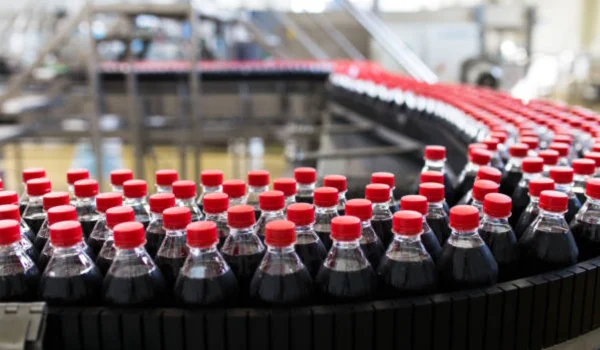
Carbonated drinks—commonly known as soft drinks, aerated beverages, or soda—are among the most widely consumed beverages worldwide. From Coca-Cola and Pepsi to energy drinks and flavored sparkling water, the production of carbonated beverages follows a precise, science-backed process.
This detailed guide explains the entire carbonated drinks manufacturing process, including ingredients, machinery, quality checks, and industry standards. Whether you’re a student, manufacturer, or blogger, this article covers everything in a simple, clear, and SEO-friendly format.
What Are Carbonated Drinks?
Carbonated drinks are beverages that contain:
- Dissolved carbon dioxide (CO₂) gas
- Sweeteners (sugar or artificial sweeteners)
- Flavors and additives
- Water as the main component
Carbonation gives the drink:
- Its fizzy texture
- Refreshing feel
- Slight acidic taste (due to carbonic acid)
- Longer shelf life
Carbonated Drinks Manufacturing Process (Step-by-Step)
Below is the complete carbonated beverages production process used globally in soft drink plants.
- Water Treatment and Purification
Water is the primary ingredient (≈ 85–90%). Before entering production, water must be filtered, purified, and sterilized.
Steps in Water Treatment
- Coagulation & sedimentation: Removes large particles
- Sand & carbon filtration: Removes odor, turbidity, chlorine
- Reverse Osmosis (RO): Removes dissolved salts
- UV sterilization or ozonation: Eliminates microbes
Purpose
- Ensures safety and flavor consistency
- Meets international food safety standards
- Preparation of Sugar Syrup (Simple Syrup)
Next, sugar solution—called simple syrup—is prepared.
Process
- Sugar mixing tanks heat water
- Refined sugar is added and mixed
- Solution is heated to dissolve sugar completely
- Syrup is filtered to remove impurities
Alternative Sweeteners
- High-fructose corn syrup (HFCS)
- Stevia
- Aspartame
- Sucralose
- Blending (Making the Final Beverage Mix)
This step mixes:
- Purified water
- Sugar syrup
- Flavor concentrate
- Acids (citric, phosphoric)
- Colorants
- Preservatives (sodium benzoate, potassium sorbate)
The result is called “final syrup” or “flavored beverage base.”
Why blending is important?
- Ensures accurate taste
- Maintains brand consistency
Automatic blending machines ensure precise ingredient ratios.
- Cooling the Beverage
Before carbonation, the liquid must be cooled to around 0–4°C.
Why cool the drink?
CO₂ dissolves better in cold liquids.
Low temperatures increase carbon dioxide absorption and prevent gas loss.
Chillers or glycol cooling systems are used.
- Carbonation (Injecting CO₂ Gas)
This is the most important step of the carbonated drink manufacturing process.
How carbonation works
- CO₂ gas is injected under high pressure (50–60 psi) into the chilled beverage
- Gas dissolves and forms carbonic acid (H₂CO₃)
- Gives the drink its fizz and refreshing bite
Carbonation Equipment
- Carbonators
- CO₂ cylinders or CO₂ tanks
- Gas regulators
Carbonation Levels
- Soft drinks: 3.5–4.0 volumes
- Sparkling water: 2.5–3.0 volumes
- Energy drinks: 4.0–4.5 volumes
Different drinks require different carbonation intensity based on taste and brand.
- Filling and Capping
After carbonation, the drink is immediately transferred to filling machines to prevent CO₂ loss.
Filling Types
- PET bottle filling lines
- Glass bottle filling lines
- Aluminum can filling systems
Filling machines operate in:
- Isobaric conditions (equal pressure to retain carbonation)
Next Steps
- Bottles/cans are capped
- Checked for leakage
- Batch codes are printed
- Pasteurization (Optional)
Some manufacturers pasteurize the drinks to extend shelf life.
Methods
- Hot-water spray
- Tunnel pasteurization
Why pasteurize?
- Kills harmful microorganisms
- Especially useful for fruit-flavored carbonated drinks
- Labeling and Packaging
Bottles or cans are labeled with:
- Brand label
- Ingredient list
- Nutrition facts
- Manufacturing & expiry date
Finally, units are packed into:
- Cartons
- Shrink-wrapped bundles
- Pallets for transportation
Machinery Required for Carbonated Drinks Manufacturing
Here are the major machines used in production:
| Equipment | Purpose |
| Water treatment plant | Purifies water |
| Syrup preparation tank | Mixes sugar and water |
| Blending machine | Creates final beverage mix |
| Chiller | Cools drink before carbonation |
| Carbonator | Injects CO₂ under pressure |
| Filling machine | Fills bottles/cans |
| Capping machine | Seals containers |
| Labeling machine | Applies labels |
| Shrink wrapping machine | Packaging |
Quality Control in Carbonated Drink Manufacturing
Manufacturers follow strict QC procedures:
✔ Water quality testing
✔ CO₂ purity testing
✔ Brix measurement (sugar concentration)
✔ Acidity & pH level checks
✔ Microbial analysis
✔ Packaging integrity tests
Ensures the final drink is safe, tasty, and meets regulatory standards.
Types of Carbonated Drinks Produced
- Soft drinks (cola, lemon, orange)
- Energy drinks
- Sparkling water
- Flavored soda
- Tonic water
- Ginger ale
- Club soda
Safety and Regulatory Standards
Manufacturers must comply with:
USA
- FDA (Food and Drug Administration)
- CFR Title 21 regulations
India
- FSSAI guidelines
Global
- ISO 22000
- GMP (Good Manufacturing Practices)
- HACCP
Conclusion
The carbonated drinks manufacturing process is a combination of science, precision, and food technology. From water purification to carbonation and packaging, each step ensures a consistent, refreshing, and high-quality beverage.
Understanding this process helps manufacturers optimize operations and helps consumers appreciate the science behind every fizzy sip.
About the Author