Fire protection systems are the backbone of safety in commercial buildings, industrial plants, power stations, warehouses, airports, and high-rise structures. At the core of these systems lies one of the most critical components: the horizontal fire pump. As global fire safety regulations become stricter and infrastructure projects expand rapidly, horizontal fire pump manufacturing has evolved into a highly specialized, precision-driven industry.
From a USA-based advanced materials and carbon fiber engineering perspective, modern fire pump manufacturing is no longer just about cast iron and steel—it now integrates high-performance composites, corrosion-resistant alloys, and intelligent monitoring systems to deliver unmatched reliability.
This guide explains:
- What horizontal fire pumps are
- How they are manufactured
- Key materials and carbon fiber innovation
- Global manufacturing standards
- Quality control & testing
- How to choose the right manufacturer
- Future trends in fire pump technology
What Is a Horizontal Fire Pump?
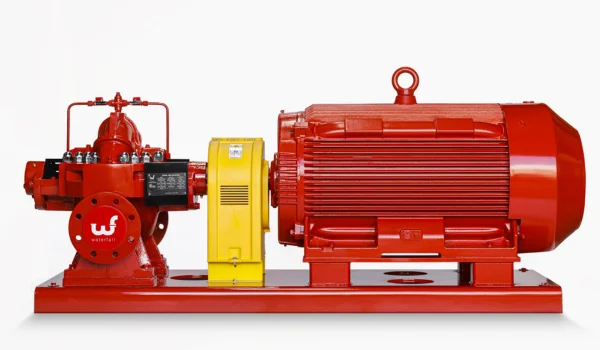
A horizontal fire pump is a centrifugal pump installed with its shaft positioned horizontally. It is designed to supply high-pressure water flow to fire sprinkler systems, hydrants, and hose reel networks during emergency situations.
These pumps are widely used in:
- Commercial buildings
- Industrial facilities
- Oil & gas plants
- Power stations
- Warehouses & logistics centers
- Airports & metro rail systems
- Data centers & hospitals
Horizontal fire pumps are preferred due to:
- Easy installation & maintenance
- High efficiency at large flow rates
- Stable long-term performance
- Wide compatibility with diesel and electric drives
Types of Horizontal Fire Pumps Manufactured Today
- Horizontal End Suction Fire Pumps
- Compact design
- Cost-effective
- Easy maintenance
- Ideal for light to medium-duty fire systems
- Horizontal Split Case Fire Pumps
- High flow & pressure capability
- Superior hydraulic efficiency
- Used in large commercial and industrial facilities
- Multistage Horizontal Fire Pumps
- Multiple impellers for very high pressure
- Suitable for high-rise buildings
Key Components in Horizontal Fire Pump Manufacturing
A complete horizontal fire pump system includes:
- Pump casing
- Impeller
- Shaft
- Bearings
- Mechanical seals or packing
- Base frame
- Coupling
- Electric motor or diesel engine
- Controller and instrumentation
From a materials engineering standpoint, every component must withstand:
- High pressure
- Thermal variation
- Corrosive water
- Continuous vibration
- Emergency overload conditions
Manufacturing Process of Horizontal Fire Pumps
High-quality horizontal fire pump manufacturing follows a strict multi-stage production workflow:
- Design & Hydraulic Engineering
- CAD & CFD (Computational Fluid Dynamics) modeling
- Flow rate optimization
- Pressure curve validation
- Cavitation resistance design
- Raw Material Selection
- Cast iron
- Ductile iron
- Stainless steel
- Bronze alloys
- High-strength alloy steel
- Composite and carbon fiber reinforcements (premium models)
- Casting & Forging
- Precision sand casting or investment casting for pump casings
- Forged steel shafts for high load capacity
- Bronze impellers for corrosion resistance
- CNC Machining
- High-precision machining of:
- Impellers
- Shafts
- Bearing housings
- Seal chambers
Tolerances are controlled within microns to ensure:
- Zero misalignment
- High rotational stability
- Minimal vibration
- Heat Treatment
- Stress relieving
- Hardening
- Surface strengthening
This ensures: - Long fatigue life
- Resistance to mechanical shock
- Surface Coating & Corrosion Protection
- Epoxy coating
- Ceramic coatings
- Anti-corrosion polymer linings
- Marine-grade protective coatings
In high-end models, carbon fiber reinforced composite shrouds and covers are used for:
- Weight reduction
- Chemical resistance
- Vibration damping
- Assembly & Alignment
- Bearing installation
- Impeller balancing
- Shaft alignment
- Seal calibration
- Motor-pump coupling
- Performance Testing
Every fire pump must undergo:
- Hydrostatic pressure tests
- Flow & head performance tests
- Efficiency measurements
- Vibration analysis
- Noise testing
- Endurance & overload testing
Role of Carbon Fiber & Advanced Materials in Horizontal Fire Pump Manufacturing
From a USA-based carbon fiber expert perspective, fire pump technology is undergoing a quiet revolution through advanced materials:
Where Carbon Fiber Is Now Used
- Pump motor shrouds
- Protective housings
- Coupling guards
- Structural reinforcement panels
- Vibration damping components
Benefits of Carbon Fiber in Fire Pumps
- Ultra-lightweight construction
- High tensile and fatigue strength
- Zero corrosion
- Excellent thermal stability
- Improved vibration control
- Longer service life in corrosive environments
In offshore facilities, marine fire systems, and chemical plants, carbon fiber composite fire pump components dramatically outperform traditional steel parts.
Global Fire Pump Manufacturing Standards & Certifications
Reputable horizontal fire pump manufacturers strictly comply with:
- NFPA 20 – Fire Pump Standards (USA)
- UL Listed – Underwriters Laboratories
- FM Approved – Factory Mutual
- ISO 9001 – Quality Management
- ISO 14001 – Environmental Management
- CE Certification – European Market
- API 610 – Industrial Pump Standards (select applications)
Without these certifications, a fire pump cannot be legally installed in most regulated markets.
Applications of Horizontal Fire Pumps
- Commercial buildings
- Shopping malls
- Hotels & resorts
- Industrial manufacturing plants
- Oil & gas refineries
- Warehouses & logistics hubs
- Power generation plants
- Data centers
- Airports & transportation systems
How to Choose the Right Horizontal Fire Pump Manufacturer
When selecting a manufacturer, always verify:
✅ NFPA, UL & FM compliance
✅ In-house hydraulic design capability
✅ Precision CNC machining facilities
✅ Advanced coating and corrosion protection systems
✅ Composite & carbon fiber integration capability
✅ Certified testing laboratory
✅ OEM & customization support
✅ Global after-sales service network
✅ Long-term spare parts availability
Avoid manufacturers that:
- Do not provide certified test curves
- Lack UL/FM approvals
- Use substandard casting materials
- Offer unusually low prices without certification
Customization in Horizontal Fire Pump Manufacturing
Top manufacturers offer:
- Custom flow and pressure ratings
- Special alloy and composite material options
- Diesel or electric drive selection
- Smart pump controllers
- IoT-based performance monitoring
- Seismic and vibration-resistant designs
Pricing Factors in Horizontal Fire Pump Manufacturing
Fire pump cost depends on:
- Pump type (end suction, split case, multistage)
- Flow rate & pressure rating
- Drive system (electric or diesel)
- Material grade
- Coating system
- Compliance certifications
- Carbon fiber or composite integration
- Smart monitoring features
Future Trends in Horizontal Fire Pump Manufacturing
- Smart fire pumps with IoT diagnostics
- Carbon fiber composite housings
- AI-based predictive maintenance
- Corrosion-free marine fire pumps
- Energy-efficient high-performance impellers
- Digital twin pump simulation
- Lightweight modular fire pump skids
Frequently Asked Questions (FAQ)
Q1: What is the main advantage of a horizontal fire pump?
Ease of maintenance, high efficiency, and wide installation flexibility.
Q2: Are carbon fiber components used in fire pumps?
Yes, mainly in premium models for corrosion resistance, vibration damping, and weight reduction.
Q3: Which standards are mandatory for fire pumps in the USA?
NFPA 20, UL Listing, and FM Approval.
Q4: Can horizontal fire pumps be customized?
Yes, flow rate, pressure, materials, and control systems can all be customized.
Final Conclusion
Horizontal fire pump manufacturing is a highly regulated, precision-driven industry where engineering accuracy, material strength, corrosion resistance, and certification compliance directly impact human safety.
From a USA-based carbon fiber and advanced materials perspective, the future of fire pump technology lies in:
- Composite material integration
- Carbon fiber vibration damping
- Smart digital monitoring
- High-efficiency hydraulic designs
- Extended corrosion-resistant service life
For EPC contractors, fire safety integrators, industrial developers, and government infrastructure projects, choosing the right horizontal fire pump manufacturer is not just a procurement decision—it is a life-safety investment.
About the Author