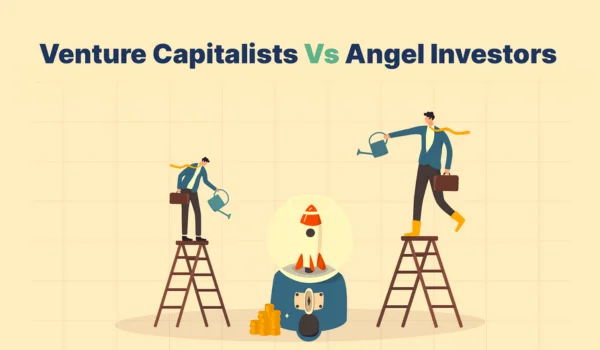
If you’re a startup founder or business owner looking for investment, knowing who the active angel investors and leading venture-capital (VC) firms in the U.S. are will help you refine your outreach, tailor your pitch, and choose the right partner. Below is a clear breakdown of the top players, what they focus on, and how you can approach them.
What’s the difference?
- Angel investors are typically individuals (or small groups) investing earlier in a company’s life — seed or pre-seed stage — often based on the founder, idea, or early traction.
- Venture-capital firms (VCs) are professional investment firms that manage funds, invest larger sums, and often lead rounds from seed to growth stage.
Understanding which type fits your stage and funding need is important before you start reaching out.
Top Angel Investors
Here are some of the most active and well-known angel investors in the U.S.:
| Name | Key Focus & Notable Investments | Why They Matter |
| Naval Ravikant | Tech, Software, Marketplaces; early investor in X (formerly Twitter), Uber, etc. | A very influential angel with a strong track record; having his name attached adds credibility. |
| Mark Cuban | Wide range of startup investments; well-known from “Shark Tank”. | High profile, good for visibility; but large number of deals means you’ll need to stand out. |
| Ron Conway | Early-stage tech investments (Google, Facebook, etc). | Veteran angel in Silicon Valley — strong network and access to co-investors. |
| Jason Calacanis | Seed & early stage (internet, SaaS, marketplaces) investor. | Known for being hands on and vocal; good fit if you’re doing something bold and early. |
Tip: When targeting angels, check what stage they invest in, what sectors they prefer, and whether they take an active role (mentorship/network) or are more passive. Many angels are also syndicators (lead a group of angels).
Top Venture Capital Firms
Here are some of the leading VC firms in the U.S., good for founders looking beyond angel capital and toward Series A+, growth rounds, or scaling rapidly.
| Firm | Headquarters | Focus / Notable Traits |
| Sequoia Capital | Menlo Park, CA | One of the “big names” — deep resources, global reach, many iconic exits. |
| Andreessen Horowitz (a16z) | Menlo Park, CA | Heavy in tech, software, crypto/fintech; strong brand among founders. |
| Accel | Palo Alto, CA | Focused across early and growth stages; good reputation in SaaS and marketplaces. |
| Bessemer Venture Partners | Redwood City, CA | Veteran firm; invests in many sectors including enterprise software, consumer. |
| Lightspeed Venture Partners | Menlo Park, CA | Also high-profile; active internationally, good for founders with ambition beyond U.S. markets. |
How to Match Your Startup to the Right Investor
- Stage & check size: If you’re very early (pre-seed/seed), angels or seed-focused VCs are better. If you already have traction, a larger VC firm may be appropriate.
- Sector fit: Ensure the investor has a track record in your domain (SaaS, biotech, fintech, marketplaces).
- Geography: While many investors are U.S.-based, check if they invest nationwide or are region-specific.
- Value-add vs just capital: Some firms/angels bring strong operational support, network, follow-on funding; others are more passive.
- Lead vs participator: For VCs especially, you’ll need a lead investor — many VCs prefer to lead rounds (not just follow).
- Reputation & exit record: A good investor reference can signal quality to future backers/partners.
Summary
Finding the right investor is about more than money. It’s about fit: stage, sector, value-add, and strategy. Whether you go with an angel or a VC firm, make sure you’re aligned on vision, terms, and expectations.
About the Author