In today’s competitive marketplace, having a solid digital marketing strategy isn’t optional—it’s essential. Whether you’re running a local bakery in Texas or an online consulting firm in California, the right mix of online marketing can help you attract new customers, retain existing ones, and grow your brand faster.
This guide breaks down the best digital marketing strategies for U.S. small businesses in 2025, including key platforms, budget tips, and a comparison table to help you choose where to focus your efforts.
🌐 Why Digital Marketing Matters for Small Businesses
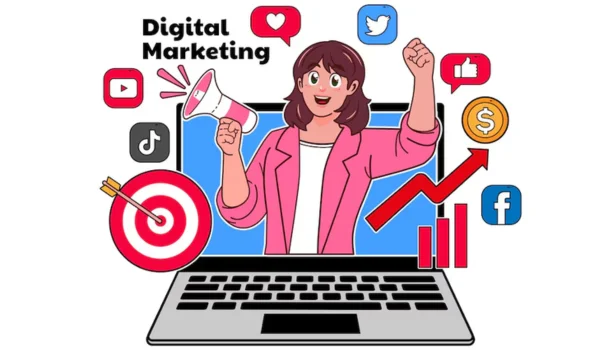
According to recent reports by the U.S. Small Business Administration (SBA) and Statista, over 70% of small businesses in the U.S. now rely on digital tools to reach their audience. Online marketing levels the playing field—allowing small firms to compete with big brands at a fraction of the cost.
Key Benefits:
- Increased visibility and brand awareness
- Cost-effective customer acquisition
- Improved customer engagement
- Measurable results through analytics
- Access to local and national audiences
📈 1. Build a Strong Website Foundation
Your website is your digital storefront—the first impression many customers will have of your business.
Tips for a high-converting website:
- Keep it mobile-friendly and fast-loading (use tools like Google PageSpeed Insights).
- Include clear CTAs (Call-to-Actions) like “Book Now” or “Get a Quote.”
- Use SEO-friendly URLs and headings.
- Set up Google Analytics and Google Search Console for tracking.
💡 Pro Tip: 75% of users judge a company’s credibility based on its website design (Source: Stanford Web Credibility Research).
🔍 2. Optimize for Search Engines (SEO)
Search Engine Optimization helps your business appear in Google searches when customers look for products or services like yours.
Core SEO strategies:
- Research local keywords (use tools like Ahrefs, Semrush, or Ubersuggest).
- Optimize your Google Business Profile (add photos, hours, and reviews).
- Create high-quality, helpful blog posts around customer questions.
- Build backlinks through local directories or guest posts.
📊 Example: A local cleaning company that ranks #1 for “cleaning services in Chicago” can get 300% more organic traffic than lower-ranked competitors.
📱 3. Use Social Media Marketing Effectively
Social platforms are where U.S. consumers spend much of their time—and small businesses can use them to build community and drive sales.
| Platform | Best For | Strategy Tips |
| Local businesses, service providers | Run targeted local ads; post engaging updates. | |
| Retail, food, fashion, wellness | Use Reels, Stories, and influencer partnerships. | |
| B2B services and consulting | Share insights, articles, and network with decision-makers. | |
| TikTok | Creative, youth-oriented brands | Create short, fun, and informative videos. |
| E-commerce, crafts, lifestyle brands | Share visual content with links to your store/blog. |
💡 Pro Tip: Maintain consistency — posting 3–5 times a week can increase visibility by up to 70%.
💌 4. Invest in Email Marketing
Email marketing remains one of the most cost-effective strategies for nurturing customers.
Best practices:
- Build a subscriber list via website forms or social media.
- Send personalized newsletters, discounts, and updates.
- Segment your audience (e.g., new vs. returning customers).
- Automate follow-ups using tools like Mailchimp, ConvertKit, or HubSpot.
📊 Stat: The average ROI on email marketing is $36 for every $1 spent (Litmus Report 2025).
💰 5. Run Targeted Paid Ads (PPC)
Pay-Per-Click (PPC) advertising helps you reach potential customers instantly through platforms like Google Ads, Meta Ads, or LinkedIn Ads.
Smart PPC practices:
- Start small and test different ad creatives.
- Use geo-targeting for local customers.
- Track conversions and ROI regularly.
- Retarget visitors who left your site without taking action.
💡 Example: A New York salon spending $300/month on Google Ads targeting “hair spa near me” can generate dozens of new bookings monthly.
🧠 6. Create Valuable Content (Content Marketing)
Creating valuable and educational content helps you attract and retain customers over time.
Ideas for small businesses:
- Blog posts, guides, or how-to articles.
- Video tutorials and behind-the-scenes content.
- Infographics and eBooks to showcase expertise.
- Case studies or testimonials from happy clients.
Remember: Content builds trust — and trust drives conversions.
⭐ 7. Manage Online Reviews and Reputation
In 2025, over 90% of consumers read online reviews before choosing a business (BrightLocal survey).
Tips:
- Encourage happy customers to leave Google and Yelp reviews.
- Respond quickly and professionally to all feedback.
- Use review management tools like Birdeye or Podium.
💡 Pro Tip: A business with 4.5+ stars earns 20–30% more revenue than those below 4 stars.
🧾 Digital Marketing Channels at a Glance
| Strategy | Cost Level | Ease of Implementation | ROI Potential | Best For |
| SEO (Search Optimization) | Low | Medium | High (long-term) | Local and service-based businesses |
| Social Media Marketing | Medium | Easy | High | Consumer-focused brands |
| Email Marketing | Low | Easy | Very High | All business types |
| PPC Advertising | Medium-High | Medium | Immediate but short-term | Fast growth or product launches |
| Content Marketing | Low-Medium | Medium | High | Authority-building and brand trust |
| Online Reviews & Reputation | Low | Easy | High | Local businesses |
📣 8. Track, Analyze, and Adjust
Digital marketing success depends on measurement. Track every campaign and use data to improve your strategy.
Key metrics to monitor:
- Website traffic (Google Analytics)
- Conversion rate (Leads or sales)
- Cost per click (CPC)
- Customer acquisition cost (CAC)
- Return on ad spend (ROAS)
Use A/B testing to refine what works best for your audience.
✅ Final Thoughts
In 2025, digital marketing is the heartbeat of U.S. small business success. The key isn’t doing everything—it’s choosing the right mix of channels for your goals, audience, and budget. Start small, measure results, and scale up what works.
Remember: consistency beats complexity. A steady effort in SEO, social media, and email marketing can transform your local business into a trusted national brand over time.
💬 FAQs
- What’s the most cost-effective digital marketing strategy for small businesses?
Email marketing and SEO are the most cost-effective strategies with long-term ROI. - How much should a small business spend on marketing?
Experts recommend spending 7–10% of your annual revenue on marketing efforts. - Can small businesses handle digital marketing in-house?
Yes — many start with DIY tools like Canva, Mailchimp, and Google Ads. You can hire freelancers or agencies later as you scale. - Which social media platform is best for small businesses?
It depends on your audience. For example, Instagram is great for visuals, LinkedIn for B2B, and Facebook for local engagement. - How long does SEO take to show results?
Generally, 3–6 months of consistent effort to see noticeable organic traffic growth.
About the Author