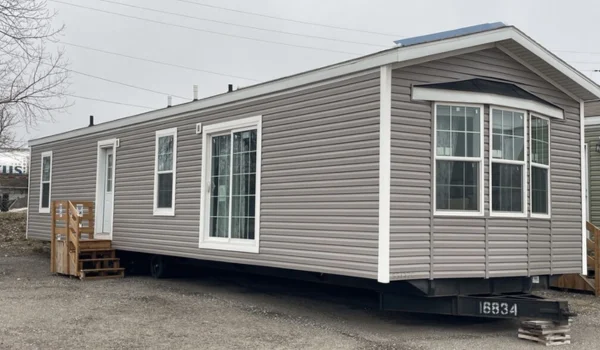
Manufactured homes—formerly known as “mobile homes”—have come a long way in durability, construction quality, and safety standards. Thanks to improved materials, stricter building codes, and more advanced manufacturing processes, modern manufactured homes often last just as long as traditional site-built homes.
But the real question most homeowners ask is:
How long does a manufactured home actually last?
This guide explains the average lifespan, factors affecting longevity, HUD standards, and maintenance tips to maximize the life of your manufactured home.
What Is the Average Lifespan of a Manufactured Home?
On average, a well-built and properly maintained manufactured home can last:
🟩 40 to 60 years
Many last even longer—up to 70–100 years—when they receive proper care and upgrades.
Why the big range?
The lifespan depends heavily on:
- Manufacturing quality
- Installation method
- Foundation type
- Climate and environment
- Maintenance routine
- Building code compliance (HUD Code)
Do Manufactured Homes Last as Long as Traditional Homes?
Yes—modern manufactured homes can last just as long as traditional homes, especially those built after June 15, 1976, when the U.S. HUD Code was introduced.
HUD Code Improvements Include:
- Higher structural standards
- Improved fire resistance
- Better insulation
- Stronger wind-load design
- Higher moisture protection requirements
If a manufactured home is placed on a permanent foundation, it can qualify as real property and often lasts comparable to site-built homes.
Factors That Affect the Lifespan of Manufactured Homes
Below are the biggest factors influencing durability:
- Foundation Type
A strong foundation significantly extends the life of a manufactured home.
Best foundation types:
- Permanent concrete foundation (highest longevity)
- Slab-on-grade
- Basement foundations
- Crawlspace with proper ventilation
Weaker options:
- Metal piers
- Blocks without tie-downs
- Temporary skirting only
A permanent foundation prevents shifting, moisture intrusion, and structural fatigue.
- Climate & Environmental Exposure
Climate plays a huge role in lifespan:
- Humid areas → higher risk of mold, rot, and moisture damage
- Coastal regions → salt corrosion
- Tornado-prone zones → needs reinforced tie-downs and wind safety upgrades
- Extreme cold → requires high-quality insulation and vapor barriers
Homes properly designed for their climate can last decades longer.
- Maintenance & Upkeep
Maintenance is the biggest controllable factor.
MUST-do maintenance tasks:
- Roof resealing every 2–5 years
- Inspecting skirting for ventilation
- Checking door/window seals
- HVAC servicing
- Plumbing inspections
- Ensuring proper drainage around the home
Neglected maintenance drastically reduces lifespan.
- Roof Type
Roof materials matter:
- Metal roofing → 40–60+ years
- Asphalt shingles → 20–30 years
- Rubber (EPDM) → 15–20 years
Upgrading the roof can add decades to the home’s life.
- Build Quality & Materials
Homes built with:
- Strong framing
- Moisture-resistant materials
- Energy-efficient insulation
- Reinforced floors and walls
…tend to last significantly longer.
Manufactured homes built post-2000 generally outperform older models due to better materials.
- Installation Quality
Improper installation leads to:
- Shifting
- Frame stress
- Door/window misalignment
- Roof and floor damage
Professional installation ensures the home settles evenly and stays structurally sound.
How to Make a Manufactured Home Last Longer (Expert Tips)
To stretch the lifespan beyond 60+ years, follow these expert recommendations:
✔ Install gutters & proper drainage
Prevents water pooling and foundation erosion.
✔ Upgrade insulation & vapor barriers
Reduces moisture, mold, and structural decay.
✔ Maintain roof regularly
Roof problems are the #1 cause of structural failure.
✔ Use high-quality skirting
Protects from pests and moisture buildup.
✔ Re-level the home when needed
Stops stress on the frame.
✔ Replace outdated plumbing (especially polybutylene)
Avoids leaks and floor damage.
✔ Check tie-downs and anchors
Vital for high-wind safety.
What Wears Out First in a Manufactured Home?
The most common components to age or require repair:
- Roofing
- Exterior siding
- Subflooring near bathrooms/kitchens
- Plumbing systems
- Window seals
- Skirting
- HVAC units
Timely repairs prevent structural damage.
Signs a Manufactured Home Is Reaching End of Life
A manufactured home may be nearing the end of its practical lifespan if you notice:
- Major sagging or shifting
- Widespread mold or rot
- Severe roof leaks
- Foundation failure
- Electrical or plumbing system collapse
- Structural beam corrosion
- Warped or unstable flooring
Even so, many of these issues can be repaired if caught early.
Do Manufactured Homes Increase or Decrease in Value?
Traditionally, they depreciated—but not anymore.
Homes installed on permanent foundations, located in stable neighborhoods, and maintained well can appreciate like site-built homes.
Upgrades such as:
- New roofing
- Vinyl or fiber cement siding
- Energy-efficient windows
- Modern insulation
…can dramatically improve long-term value.
Conclusion
So—how long does a manufactured home last?
With today’s improved construction standards and good maintenance, a modern manufactured home can last:
**➡️ 40–60 years on average
➡️ 70–100 years with proper upgrades & care**
The key factors are foundation quality, climate, and ongoing maintenance. When installed correctly and treated with care, a manufactured home can provide decades of safe, comfortable, affordable living—often rivaling traditional homes in lifespan.
About the Author