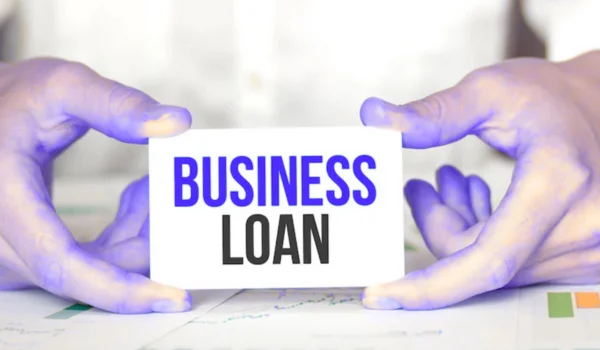
If you run a small business (or plan to start one) in the United States and are exploring how to get financing, this post is for you. Loans can be a key tool for growth — whether it’s to buy equipment, hire staff, expand to a new location or cover operating costs. But getting a small business loan isn’t always simple. You’ll need to understand what lenders look for, how to prepare, and what your options are.
This guide walks you through:
- What types of loans are available
- What lenders expect
- Step-by-step how to apply
- A handy comparison table
- Tips & pitfalls
Let’s dive in.
Types of Small Business Loans & Financing Options
Here are some of the common types of financing available in the U.S.:
- Traditional bank term loans – Lump sum of money, fixed or variable repayment schedule.
- Lines of credit – More flexible: you borrow up to a limit and pay interest only on what you use.
- Government‐backed loans (via the U.S. Small Business Administration (SBA)) – These have special features and guarantees.
- Online lenders / alternative lenders / microlenders – Often faster, less paperwork, but may come with higher interest rates.
- Equipment loans, real-estate loans for business, invoice/cash-flow financing – Specialized uses.
What Lenders Will Look For
Before you apply, best to understand what the lender is assessing. According to sources:
- A business plan with financial projections helps demonstrate repayment ability.
- Good personal credit and (if applicable) business credit.
- How long you’ve been in business (many lenders prefer at least 2 years).
- Your annual revenue and profitability. For example, one bank required ~$100,000 in annual revenue for certain unsecured loans.
- Collateral or personal guarantee may be required (especially if new business or riskier loan).
- Whether your business qualifies under SBA size‐requirements if you go that route.
Step-by-Step: How to Apply for a Loan
Here’s a generic step-by‐step process you can follow:
| Step | Action |
| 1. Define your funding need | Figure out exactly how much you need and for what purpose (e.g., equipment purchase, expansion, working capital). |
| 2. Evaluate your business readiness | Check your credit (personal and business), assess how long you’ve been in business, gather past financials. |
| 3. Choose the right loan type & lender | Compare options (banks, online, SBA). Match your business profile to what lenders require. |
| 4. Prepare documentation | Common documents: business plan, financial statements (past 2 – 3 yrs if available), tax returns, bank statements, legal documents (articles of incorporation, licenses). |
| 5. Submit application | Fill out the lender’s application form, submit documents, meet with relationship manager if needed. |
| 6. Review offers & select best terms | You might get multiple offers—compare interest rate, term, repayment schedule, fees. |
| 7. Use funds wisely & repay on time | Once approved and funds disbursed, use them for the intended purpose and ensure timely repayments, which helps build your credit for the future. |
Comparison Table: Key Loan Program Features
Here is a simplified table comparing some typical loan options and what you should consider:
| Feature | Traditional Bank Loan | SBA-Backed Loan | Online / Alternative Lender |
| Typical term in business | Often 2 + years in business required | Varies (SBA programs have eligibility criteria) | Sometimes 6+ months minimum |
| Credit / revenue requirements | Higher standards (good credit, solid revenue) | Good credit, must satisfy SBA size & other criteria | More lenient but higher cost |
| Interest rate / cost | Potentially lower if you qualify | Competitive rates & guarantees may help | Higher risk = higher rates |
| Documentation & process time | Paperwork and underwriting can be lengthy | Often longer due to federal guarantees | Faster turnaround in many cases |
| Use of funds | Broad uses | SBA loans can be used for many purposes but check program rules | Broad but terms vary |
Additional Tips & Common Pitfalls
- Tip: Start improving your personal and business credit early. Even if you don’t need the loan now, good preparation positions you better.
- Tip: Draft a clear business plan. It shows the lender you’ve thought through how the money will be used, how you’ll generate revenue and how you’ll repay.
- Tip: Don’t just apply randomly—match your business’s profile to lenders that favour your type of business.
- Pitfall: Taking a loan without a clear repayment plan or misusing funds may damage your credit and viability.
- Pitfall: Some online lenders may look easier but may impose higher interest rates or unfavourable fees—compare carefully.
- Tip: If your business is very new (< 2 years) or has limited revenue/history, consider smaller micro-loans or alternative financing and build your track record.
- Tip: Keep all your documents organised and current—tax returns, bank statements, legal documents. This speeds up approval.
- Pitfall: Don’t assume you’ll get the top loan terms if you only meet minimums; your credit, revenue stability and business history impact the offer.
Summary
Getting a small business loan in the U.S. is absolutely feasible — but it takes preparation, clarity and the right match between your business and the lender. Focus on:
- Knowing how much you need and why
- Getting your credit, financials and business plan in order
- Choosing the right kind of loan and lender
- Comparing the offers and reading the fine print
- Using the funds responsibly and repaying on time
If you follow these steps and stay realistic about your business and its history, you’ll increase your chances of approval and favourable terms.
About the Author