The railroad industry relies on extreme precision, durability, and safety. Every part—whether it’s a wheel hub, brake housing, coupler component, or mounting bracket—must withstand heavy loads, vibration, and long-term wear. To achieve this level of reliability, railway companies depend on CNC machining manufacturers specializing in railroad components.
This article explains what railroads CNC machining manufacturers do, the types of components they produce, the materials they work with, and how buyers can select the right partner for railway projects.
What Is CNC Machining in the Railroad Industry?
CNC machining (Computer Numerical Control machining) uses automated machines controlled by programmed software to cut, shape, and refine metal or composite materials with extremely tight tolerances.
In railroads, CNC machining is essential because:
- Parts must meet strict safety regulations
- Components need precise dimensions for secure assembly
- Heavy-duty operations require strong, fatigue-resistant materials
- Rail operators cannot risk failures in the field
CNC machining ensures accurate, repeatable, and high-strength production of railway components.
What Does a Railroads CNC Machining Manufacturer Do?
A railroads CNC machining manufacturer produces critical mechanical parts for:
- Freight railroads
- Passenger rail systems
- Metro rail
- High-speed trains
- Rail infrastructure equipment
- Maintenance-of-way (MOW) vehicles
These manufacturers specialize in:
- CNC milling
- CNC turning
- 5-axis machining
- Precision grinding
- Fabrication & welding
- Surface finishing
- Heat treatment
- Heavy-duty part manufacturing
Types of Railroad Components Made by CNC Machining Manufacturers
Railways require hundreds of precision-engineered components. CNC machining manufacturers typically produce:
- Wheel & Axle Components
- Wheel hubs
- Axle end caps
- Bearing housings
- Gearbox mounts
These parts must withstand tremendous lateral loads and shocks.
- Brake System Components
- Brake discs
- Brake caliper brackets
- Brake shoes
- Cylinder components
Precision machining ensures reliable braking performance and safety.
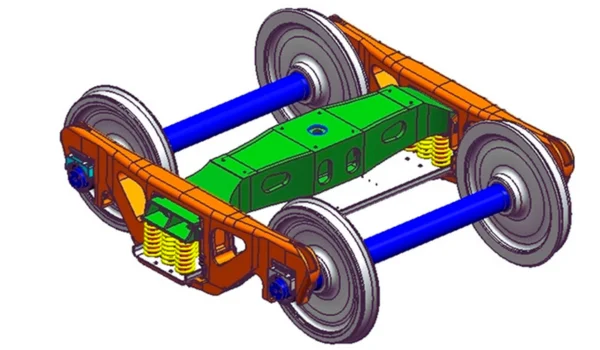
- Suspension & Bogie Parts
- Bogie frames (machined sections)
- Shock absorber mounts
- Spring seats
- Articulation parts
Bogie assemblies require strict tolerances to ensure smooth train movement.
- Coupler & Draft Gear Components
- Coupler bodies
- Yokes
- Knuckles
- Draft gear pads
- Connecting brackets
These highly stressed parts require both machining and metallurgical strengthening.
- Rail Infrastructure Parts
CNC manufacturers also produce components for railroad construction equipment like:
- Track maintenance machines
- Rail grinding machines
- Ballast tampers
Parts include:
- Hydraulic housings
- Gear components
- Cutting tools
- Engine brackets
- Electrical & Sensor Housing Components
Modern trains use numerous electronic systems. CNC shops produce:
- Junction box housings
- Sensor brackets
- Control system enclosures
- Battery casings
- Custom Parts for Modern Railway Innovations
Including:
- Carbon fiber–reinforced brackets
- Lightweight aluminum housings
- Composite-metal hybrid parts
These reduce weight while maintaining strength—valuable in high-speed and freight rail.
Materials Used by Railroad CNC Machining Manufacturers
Railroad operations involve extreme stress and unpredictable environments. Manufacturers use high-grade materials such as:
Metals
- Carbon steel (A36, A572)
- Alloy steel (4140, 4340, 8620)
- Stainless steel (304, 316L, 410)
- Tool steel
- Cast iron
- Aluminum (6061, 7075)
Advanced Materials
- Titanium (for lightweight & high-strength applications)
- Carbon fiber composites
- Glass-reinforced plastics (GRP)
Carbon fiber is increasingly used in trains for:
- Interior covers
- Mounting brackets
- Lightweight structural panels
It helps improve fuel efficiency and reduce vibration.
Key Capabilities of a Railroads CNC Machining Manufacturer
- Heavy-Duty Machining
Railroad parts can weigh from 5 lbs to 5,000 lbs. Manufacturers use:
- Large milling centers
- Heavy lathes
- Boring mills
- Vertical turning lathes (VTLs)
- Tight Tolerances
Rail components often require tolerances of ±0.001–0.005 inches.
- Certified Quality Systems
Most manufacturers follow:
- ISO 9001
- ISO/TS 22163 (IRIS Standard)
- AAR certification (Association of American Railroads)
- Prototyping + Mass Production
Many offer:
- CAD/CAM engineering
- Prototype machining
- Pilot production
- Large-batch manufacturing
Why Railroads Choose CNC Machining Manufacturers
✔ High Precision
Rail safety requires accurate, repeatable production.
✔ Longer Component Life
CNC machining ensures durable performance under high load and vibration.
✔ Custom Part Capability
Railroads often require non-standard or replacement parts.
✔ Better Safety Compliance
Accurate machining reduces the risk of operational failures.
✔ Faster Production
Automated machining shortens lead times for urgent repairs or upgrades.
How to Choose the Right Railroads CNC Machining Manufacturer
When selecting a manufacturing partner, consider:
- Certification & Industry Compliance
Ensure they meet:
- AAR M-1003 standards
- ISO/TS automotive/rail standards
- Proper welding certifications
- Material Expertise
Rail parts demand experience with:
- Alloy steels
- Heat-treated metals
- Carbon fiber composites
- Equipment Capability
Check the availability of:
- 5-axis machining
- Large-bed mills
- CNC turning with Y-axis
- In-house heat treatment
- Production Capacity
Can they handle:
- Small custom runs?
- Large OEM orders?
- Testing & Quality Inspection
Look for:
- CMM CMM (Coordinate Measuring Machines)
- Ultrasonic testing
- Surface roughness checks
- Load testing
Industries Served Beyond Railroads
Many railroad CNC machining manufacturers also supply:
- Aerospace
- Automotive
- Industrial machinery
- Energy
- Marine
This cross-industry experience improves machining precision and innovations.
Conclusion
Railroads CNC machining manufacturers play a critical role in ensuring the safety, performance, and longevity of railway systems worldwide. With advanced CNC equipment, certified quality systems, and expertise in heavy-duty components, these manufacturers supply precision-engineered parts essential for both freight and passenger rail networks.
Whether you’re a rail operator, parts distributor, or rolling stock manufacturer, choosing the right CNC machining partner ensures:
- Higher reliability
- Longer equipment lifespan
- Improved safety
- Reduced downtime
A strong CNC manufacturer becomes a long-term asset for your rail operations.
About the Author