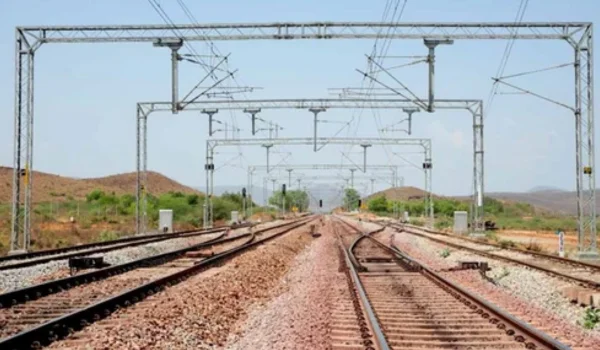
Railway electrification is expanding rapidly across the world as countries move toward high-speed rail, energy efficiency, and modern transportation systems. One of the most critical components in this transformation is special mast structures—the heavy-duty poles and supports that carry overhead equipment (OHE) for electric trains.
This article provides a clear, professional, and easy-to-understand guide on railway electrification special mast structures manufacturers, their capabilities, the types of mast systems they produce, key specifications, and how to choose the right supplier for your rail project.
What Are Special Mast Structures in Railway Electrification?
Special masts are heavy-duty structural supports used in Overhead Electrification (OHE) systems to hold:
- Catenary wires
- Contact wires
- Droppers
- Cantilevers
- Brackets & insulation systems
- Feeder lines
These masts are specially engineered to withstand high tension, wind loads, vibration, and dynamic forces generated by high-speed electric trains.
Unlike standard OHE poles, special masts are needed at:
- Bridges & tunnels
- Curves & turnouts
- Yards & stations
- High-tension feeder zones
- Neutral sections
- High-speed or heavy-load tracks
Why Special Mast Structures Are Critical in Electrified Railways
Railway electrification depends on reliable overhead systems. Special masts ensure:
✔ Structural Stability
Keeps catenary wires at the right height & tension.
✔ Safety
Supports heavy equipment and prevents wire sagging or snapping.
✔ High-Speed Operation
Reduces oscillation at speeds up to 160–250 km/h.
✔ Longevity
Built to resist corrosion, wind storms, and extreme climates.
✔ Zero Interruption
Maintains reliability for uninterrupted train operations.
Types of Special Mast Structures Manufactured for Railway Electrification
Leading manufacturers supply several types of customized mast designs based on project requirements.
- B-Series Masts
Used for standard OHE sections.
Common types:
- B-2
- B-3
- B-4
- B-5
Features:
- High tensile steel
- Designed for common OHE load conditions
- SPS (Special Portal Structures)
Large portal frames installed at:
- Stations
- Yards
- Complex track crossings
- Multi-track sections
Benefits:
- Wide span coverage
- Heavy load-bearing design
- TTC (Traction Tower Construction) Masts
Used for feeder lines & power distribution.
Material:
- Galvanized steel lattice
- Tubular steel
- Heavy-duty welded structures
- H-Beam Special Masts (RSJ Masts)
Common in India & global rail systems.
Features:
- Rolled steel joist (RSJ)
- High mechanical strength
Applications:
- Curved tracks
- Turnouts
- Multiple equipment loading
- Tubular Steel Masts
Made from high-strength pipes.
Benefits:
- Corrosion-resistant
- Lightweight
- Easy to install
- Lattice Masts
Used in yards and multi-line rail areas.
Benefits:
- High wind-load resistance
- Suitable for large spans
Materials Used by Special Mast Manufacturers
Manufacturers use advanced materials engineered for structural and environmental durability:
✔ High-Tensile Carbon Steel
Common grades: S355, S275, ASTM standards
Strong, durable, excellent loading capacity.
✔ Hot-Dip Galvanized Steel
Prevents rust and corrosion for 30–40+ years.
✔ Weathering Steel
Reduced corrosion in coastal & industrial zones.
✔ Welded & Fabricated Steel Plates
Used for heavy-duty portal structures.
Manufacturers use CNC plasma cutting, robotic welding, and NDT inspection to guarantee quality.
Manufacturing Capabilities of Leading Suppliers
A professional railway electrification mast manufacturer provides:
- Custom Design & Engineering
CAD, 3D modelling, load calculation, wind analysis, and OHE compatibility design.
- CNC Fabrication & Welding
Ensures precision and structural integrity.
- Galvanizing & Surface Treatment
Hot-dip galvanization (80–120 microns) ensures long service life.
- Load Testing
Mechanical load, bending, tensile, and vibration testing.
- Documentation & Certifications
- EN 1090
- ISO 9001
- CE marking
- RDSO/Network Rail/AREMA approvals (as per region)
- Supply Chain & Logistics
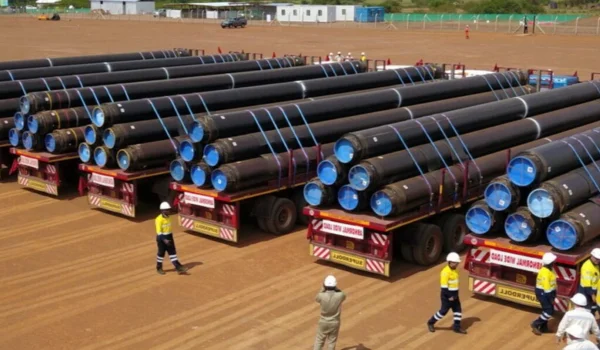
Packing, bundling, and transport of long-length steel masts.
Applications of Special Mast Structures in Electrification Projects
These structures are widely used in:
- Mainline railway electrification
- High-speed rail
- Metro & suburban rail systems
- Freight corridors
- Railway yards & stations
- Bridges & tunnels
- Viaduct electrification
- Crossovers & multi-track sections
How to Select the Best Railway Electrification Special Mast Manufacturer
When choosing a supplier, evaluate the following:
- Engineering Expertise
Check if the manufacturer offers:
- Load analysis
- Wind speed consideration
- Span design
- Foundation support
- Material Quality & Standards
Prefer suppliers using:
- High-tensile steel
- Hot-dip galvanization
- EN/IS/ASTM compliant materials
- Production Capacity
High-volume projects need:
- Automated fabrication
- Large-scale welding lines
- Fast lead times
- Experience in Railway Electrification Projects
Look for a proven track record with:
- National railways
- Metro systems
- Dedicated freight corridors
- EPC contractors
- On-Time Delivery & Logistics
Rail projects follow strict timelines—choose experienced exporters.
- Technical Support
Manufacturers should support:
- Installation
- Foundation design
- Maintenance guidelines
- Custom engineering
Benefits of Working With a Specialized Mast Manufacturer
✔ Reliability in high-load electrification
✔ Precision-engineered structures
✔ Long service life (30–50 years)
✔ Lower maintenance costs
✔ Compliance with global railway standards
✔ Customizable designs for any terrain or track layout
Conclusion
Railway electrification special mast structures are essential for modern, safe, and efficient rail systems. With increasing demand for high-speed rail, metro expansion, and freight corridor upgrades, the need for high-quality mast manufacturers is growing rapidly.
A reliable manufacturer ensures:
- Fire-safe, corrosion-resistant steel
- Precision-fabricated structures
- Long operational life
- Compliance with global OHE standards
- Smooth installation and minimal downtime
Choosing the right supplier is crucial for delivering a robust and future-ready electrification network.
About the Author