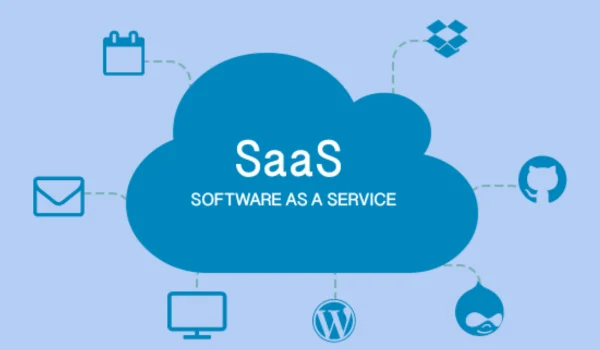
Why a small, smart SaaS stack matters
Startups win by moving fast, avoiding costly op-ex, and making data-driven decisions. The right SaaS tools let a tiny team ship product, sign customers, pay employees, and measure impact — without building everything in-house. Many vendor programs give startups credits or big discounts, so you often get professional-grade tools cheaply early on.
Core categories + recommended tools (what to start with and why)
1) Communication & collaboration
- Google Workspace (Gmail, Drive, Docs, Meet) — Simple admin, universal adoption, great search and sharing. Many high-growth startups use Workspace for mail + docs. Google also offers startup programs/credits.
- Slack — Real-time channels, integrations, searchable history; ideal for team communication and lightweight workflows.
- Zoom — Reliable remote meetings and recordings for sales demos and investor calls.
Why these first? They replace piles of email, speed decisions, and integrate with almost every other SaaS you’ll buy.
2) Product development & engineering
- GitHub (code hosting, actions) — Source control + CI/CD; almost mandatory for dev teams. (See vendor docs/news for latest features.)
- Figma — Design and prototyping for product/UI teams; excellent for remote design collaboration. Recent updates focus on AI and agent workflows.
- Sentry or Datadog — Error monitoring and observability so small teams can triage issues before customers notice.
Why: Shipping rapidly and keeping quality high needs an integrated dev/design/monitoring pipeline.
3) Payments & billing
- Stripe — Easiest way to accept card payments, manage subscriptions, and integrate payments into product flows; Stripe runs a Startups program with credits/benefits.
- Plaid (if you need bank connectivity) — standard for secure ACH & bank data.
Why: Revenue flows and subscription handling must be secure and low-friction from day one.
4) CRM & sales enablement
- HubSpot — Free CRM that scales into marketing, sales, and service hubs; HubSpot offers meaningful startup discounts.
- Salesforce — If you expect an enterprise sales motion early, but it’s heavier/expensive.
Why: Track deals, contacts, and pipeline. Even a basic CRM prevents lost leads.
5) Customer support & engagement
- Intercom — In-app chat, onboarding messages, and a modern conversational helpdesk; Intercom offers deep startup discounts.
- Zendesk — Classic ticketing for support teams.
Why: Fast onboarding and quick replies reduce churn and improve early customer experience.
6) Analytics & experimentation (product + marketing)
- Google Analytics 4 (GA4) — Free baseline for web + app analytics and marketing measurement.
- Mixpanel / Amplitude — Product analytics for event-based user behavior; both offer startup programs (free tiers / credits) to help you find product-market fit quickly.
Why: Know which features drive retention and conversions — vital for prioritizing engineering and marketing.
7) Finance, payroll & accounting
- QuickBooks Online — Small business accounting, invoices, and cash flow reporting. Intuit provides guides and product tiers built for startups.
- Gusto — Payroll, benefits, and contractor payments built for startups and small teams. Gusto highlights startup-friendly payroll features.
Why: Payroll and clean accounting prevent legal headaches and make fundraising/investor reporting easier.
8) Automation & integrations
- Zapier — No-code automation to connect apps (7,000+ integrations); accelerates workflows without engineering time. Zapier offers startup resources explaining productivity benefits.
Why: Automate repetitive tasks (lead routing, notifications, reporting) so your team focuses on product and customers.
9) Legal & document signing
- DocuSign / Adobe Sign — Fast, legally binding e-signatures for contracts, NDAs, and vendor agreements.
How to pick tools (quick framework)
- Start with the problem, not the brand. Choose tools that solve the immediate pain (communication, billing, analytics).
- Integration-first. Pick tools with strong APIs and native integrations (reduces future migration costs).
- Startup programs & credits. Apply for vendor startup programs early (Stripe, HubSpot, Google Cloud, Mixpanel/Amplitude, Intercom) — these can save months of runway.
- Admin overhead. Avoid tools requiring heavy setup unless ROI is clear.
- Data ownership & exports. Ensure you can export your data easily.
Typical early-stage stack & monthly budget (rough U.S. estimates)
- Google Workspace: $6–18/user
- Slack: free → ~$8–12/user as you grow
- GitHub: free → $4–21/user for teams
- Stripe: pay-as-you-go (processing fees apply) — signup is free & there’s a startup program.
- Mixpanel/Amplitude or GA4: GA4 free; Mixpanel/Amplitude startup credits often cover initial months.
- QuickBooks + Gusto: $20–$150/month combined depending on headcount and payroll needs.
Est. total (very early): $100–$800/month; scales with users and usage.
Integration tips & quick wins
- Automate lead capture → CRM → sales notifications with a Zapier “Zap” (or a native integration) to avoid manual copy-paste.
- Use Intercom’s onboarding messages to reduce first-week churn — Intercom has startup discounts and templates.
- Instrument product events early (signups, key feature use) to see whether users reach “aha” moments — Mixpanel/Amplitude accelerate PM decisions.
Final checklist — first 30 days
- Set up Google Workspace for email and docs.
- Create Slack channels & basic rules.
- Open Stripe account + configure payment flow.
- Start GA4 + a product analytics trial (Mixpanel/Amplitude) to capture events.
- Sign up for QuickBooks + Gusto when you hire or pay contractors.
Quick resources & vendor programs to apply for now
- Google Workspace / Cloud for Startups — credits and discounts.
- Stripe Startups — credits + community.
- HubSpot for Startups — steep discounts for eligible startups.
- Mixpanel & Amplitude startup programs — free/discounted analytics for first year.
- Intercom Startup Offers — large early discounts for customer messaging.
About the Author